Keeping Our Players Safe: The Ultimate Guide to Soccer Cleats on Artificial Turf
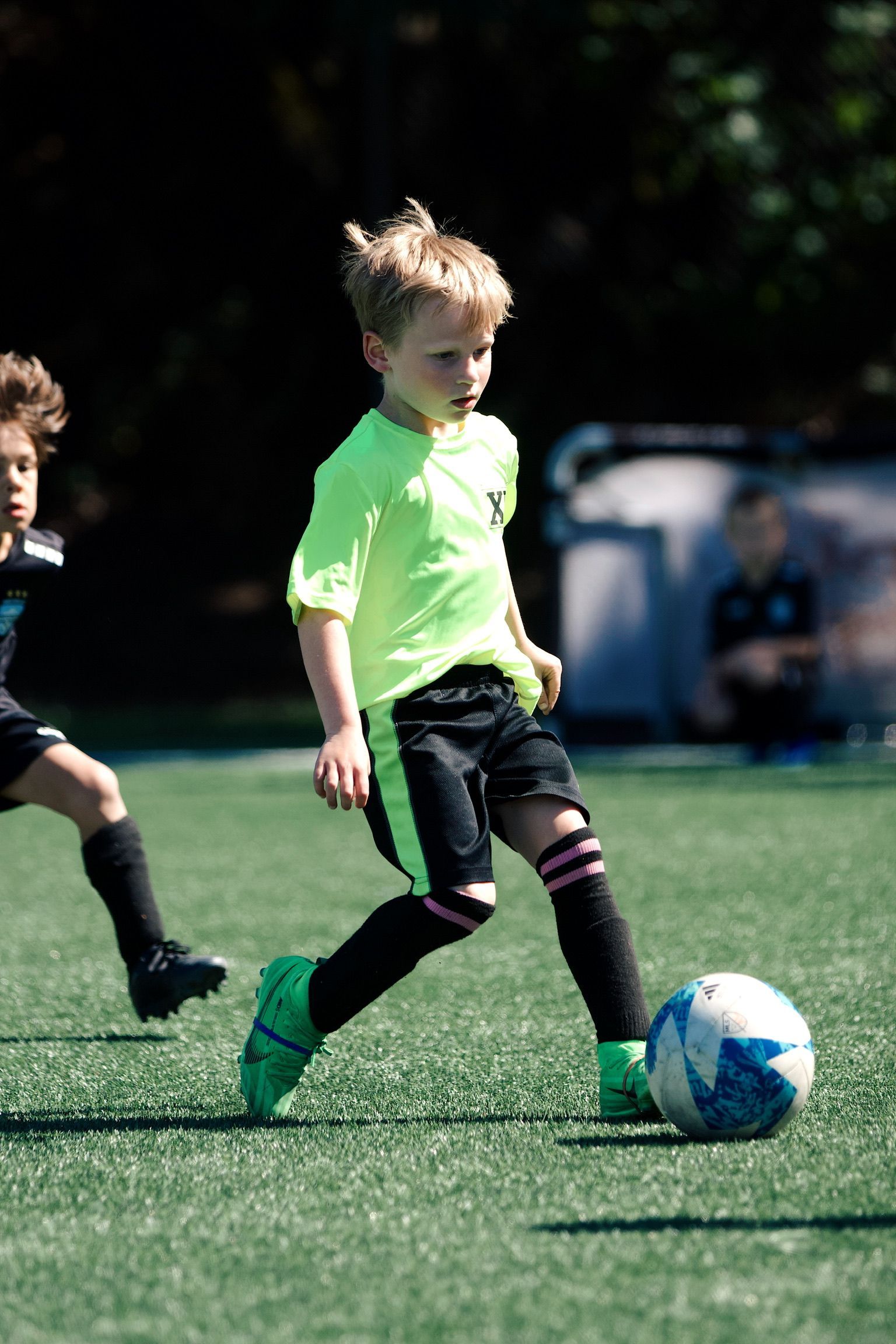
As we gear up for practices and tournaments, we want to talk about a piece of equipment that is critical to our players' safety: their cleats.
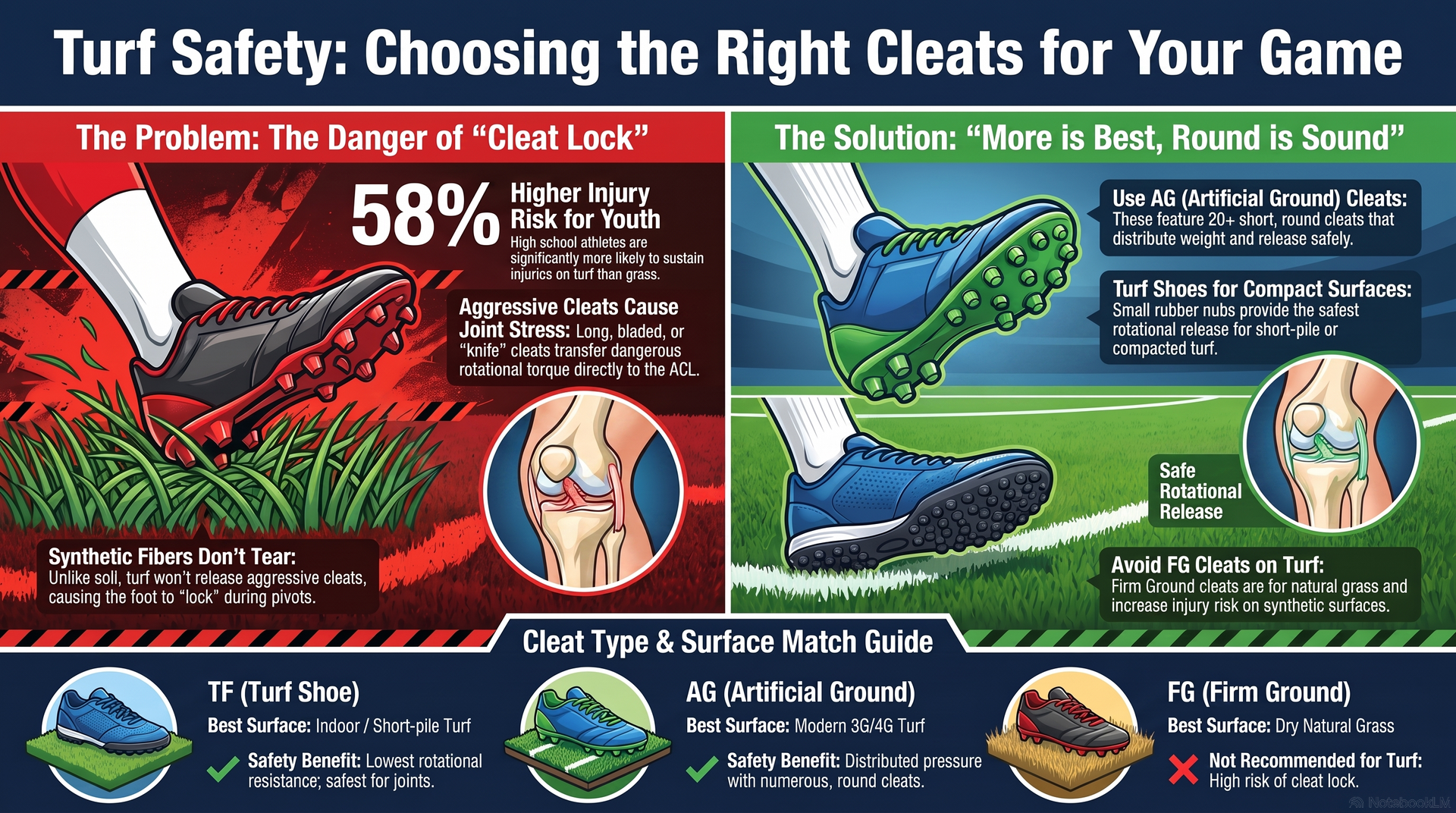
Because many of our games and practices take place on artificial turf, it is incredibly important to understand that not all cleats are created equal. In fact, research shows that wearing the wrong type of cleats on artificial turf can drastically increase the risk of severe lower-body injuries, particularly to the knees and ankles.
Here is everything parents and coaches need to know to make the safest footwear choices for our young athletes.
The Hidden Danger of Turf: "Cleat Lock"
To understand why cleat choice matters, we have to look at how a shoe interacts with the ground. When a player wearing aggressive cleats plants their foot to make a sharp cut on natural grass, the soil and grass will eventually tear and give way, safely releasing the foot.
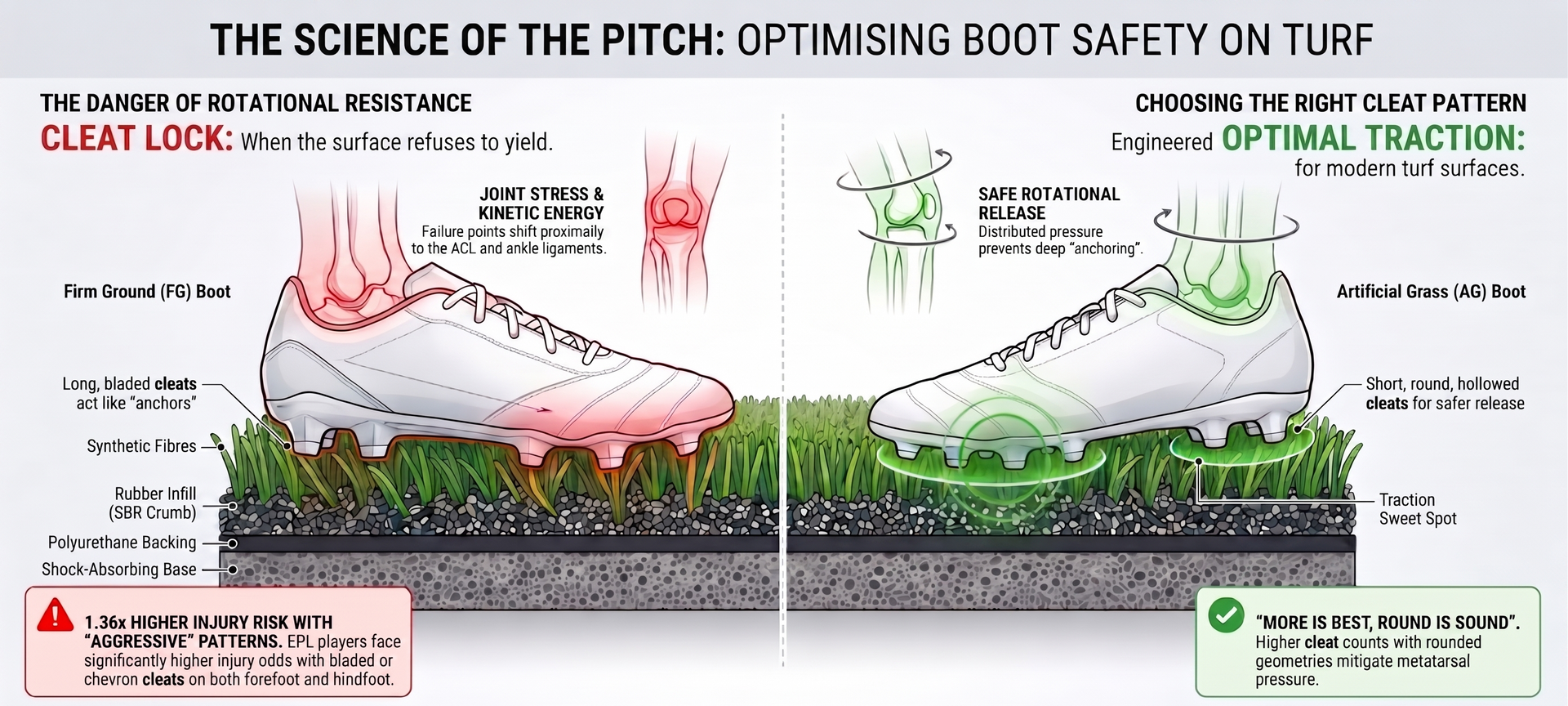
Artificial turf, however, is made of highly durable plastic fibers and rubber infill that do not yield or tear. If a player wears aggressive cleats on turf, their foot can become anchored or "locked" into the ground during a pivot. Because the turf refuses to give way, all of that twisting force is sent directly up the leg to the ankle and knee joints, often resulting in severe injuries like Anterior Cruciate Ligament (ACL) tears
A Crucial Note for Our Female Athletes
This information is especially critical for the girls in our club. Female athletes naturally exhibit different landing and cutting mechanics, and they sustain ACL injuries at much higher rates than males. Alarmingly, epidemiological data shows that
female soccer players experience an 18% higher risk of ACL injury when playing on artificial turf compared to natural grass. Wearing high-traction, aggressive cleats on turf can easily exceed a female athlete's ligament capacity during a state of fatigue, drastically increasing this risk.
The Golden Rule: "More is Best, Round is Sound!"
When shopping for cleats to use on artificial turf, we want to maximize comfort and safety by following a simple club motto: "More is best, round is sound!"
Here is what that means and how it applies to the different types of cleats on the market:
1. Avoid "FG" (Firm Ground) Cleats with Blades Firm Ground (FG) cleats are the most common shoes in the store, but they are built specifically for natural grass. They typically feature 10 to 12 long, widely spaced cleats, often in the shape of blades or chevrons.
- The Danger: On artificial turf, these long blades act like anchors. They cannot fully penetrate the hard backing of the turf, leading to instability, and their bladed shape actively resists rotation, creating a massive risk for "cleat lock". We strongly advise against wearing bladed FG cleats on artificial turf.
2. Look for "AG" (Artificial Grass) Cleats AG cleats are specifically engineered for modern synthetic turf.
- The Benefit: They feature more cleats (often 20 or more) that are shorter, hollowed, and round (conical). This high number of short cleats distributes the player's weight evenly across the foot, reducing joint stress and preventing painful pressure points. Most importantly, the round shape allows the foot to pivot and release safely from the turf, preventing knee and ankle injuries.
3. "TF" (Turf) Shoes are Great for Younger Kids Turf shoes feature a flat rubber sole covered in small rubber nubs.
- The Benefit: They offer excellent, safe traction on artificial surfaces without the risk of the foot getting stuck. For our younger players (ages 6-10) whose growing feet are sensitive to pressure, TF shoes are incredibly comfortable and one of the safest options available.

Your Quick Shoe-Shopping Checklist
Next time you are at the sporting goods store, keep this quick checklist handy:
- Check the Label: Look for the letters AG (Artificial Grass), MG (Multi-Ground), or TF (Turf) on the box.
- Check the Bottom: Flip the shoe over. You want a high number of short, perfectly round/circular cleats.
- Avoid the Blades: If the cleats look like long rectangles, triangles, or sharp chevrons, put them back on the shelf—they are too aggressive for turf.
By choosing the right cleats, we can help prevent injuries, keep our kids comfortable, and ensure they spend the season out on the field having fun. Let’s have a safe and fantastic season!
Any parents wishing to reach out on this topic or any others, please feel free to contact me at ryan.bowen@mifc.org